Short-form creators
Exporting 720p Seedance videos for Reels and TikTok; a 1080p upscale keeps text overlays readable.
topaz video upscalingTopaz Labs for Seedance videos is the post-render step that most AI video pipelines skip. Seedance generates fast, but its export is soft at the edges, noisy in the shadows, and rarely matches the resolution of the rest of your edit. The tool fixes that after export: it upscales, denoises, sharpens, and interpolates without re-running the prompt. This page walks through the typical Seedance workflow, where the enhancement step fits, what changes before and after, and the exact deliverable spec to hand to a client.
Seedance videos are compressed at export, so the typical pipeline is prompt, generate, curate, then cut. Most creators export at the platform default — 720p or 1080p at 24 or 30 fps — pick the take that matches the storyboard, and drop it straight into the edit. The softness shows as soon as you add text overlays, punch in, or composite against live footage. That is the gap this workflow closes.
Exporting 720p Seedance videos for Reels and TikTok; a 1080p upscale keeps text overlays readable.
topaz video upscalingMixing Seedance shots with live footage in a 4K timeline; Topaz Labs matches every shot to the master.
topaz videoDream-sequence takes with heavy grain; a denoise pass clears banding without wiping the look.
topaz labs denoise imagesSeedance videos at 1080p inside a 4K timeline; motion stays smooth and edges hold under compression.
topaz labs for youtubeOne spot mixing Seedance, stock, and interview footage; a single enhancement spec keeps the cut uniform.
topaz labs examplesThe enhancement pass sits between the Seedance export and the edit. You do not re-prompt, re-seed, or regenerate; you take the rendered clip and run it through the upscale and denoise models. That makes the step repeatable: the same settings apply to every take you keep, so a 30-second clip renders in a few minutes and lands in the timeline as a new file. The same pattern shows up across the toolset — topaz labs for youtube creators use it to rescue compressed uploads, and the how to use topaz labs guide covers the interface basics.
For the same reason, the step is useful anywhere Seedance videos need to meet a broadcast or social spec:
Each of those routes reads the same source file; only the delivery target changes.
| Attribute | Seedance raw export | After a Topaz Labs pass |
|---|---|---|
| Resolution | 720p / 1080p native | up to 4K, 6× scale |
| Edge quality | soft edges, compression ringing | clean contours, no halo |
| Noise and grain | chroma noise in shadows | denoised, grain preserved |
| Frame rate | fixed 24 / 30 fps | interpolated to 60 fps |
| Faces and text | waxy skin, jittery overlays | reset fine detail |
| Delivery format | mp4 / webm | ProRes, H.264, H.265 |
| Re-render cost | re-prompt to fix quality | no seed change, render once |
The difference shows on the first playhead scrub. Most Seedance videos are compressed renders, and the enhancement pass reconstructs detail that compression removed. Face models hold eye texture that would otherwise smear; the sharpening model adds edge contrast without the halo effect of an unsharp mask. Motion stays put because the models are frame-aware — nothing is re-timed or re-generated.
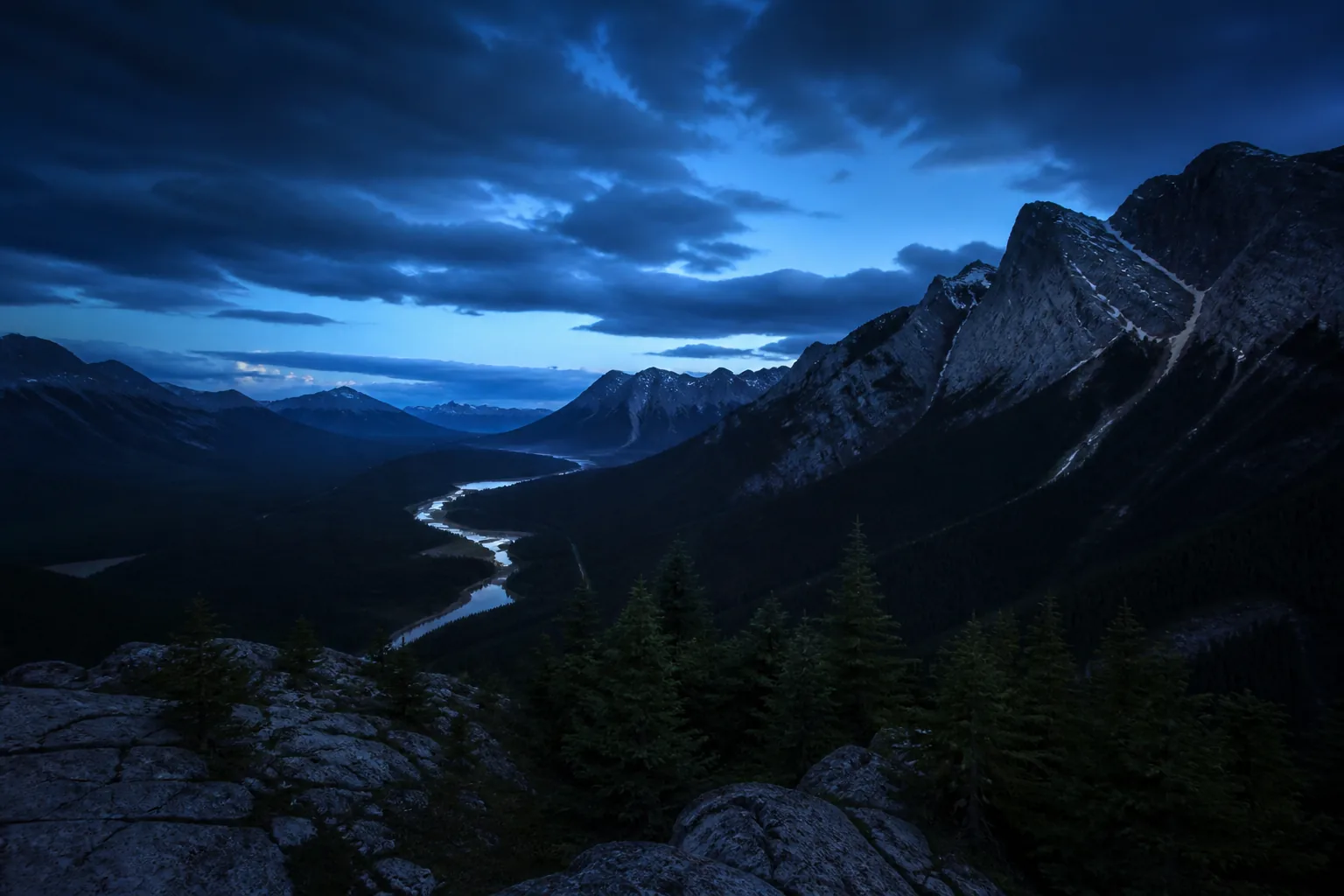
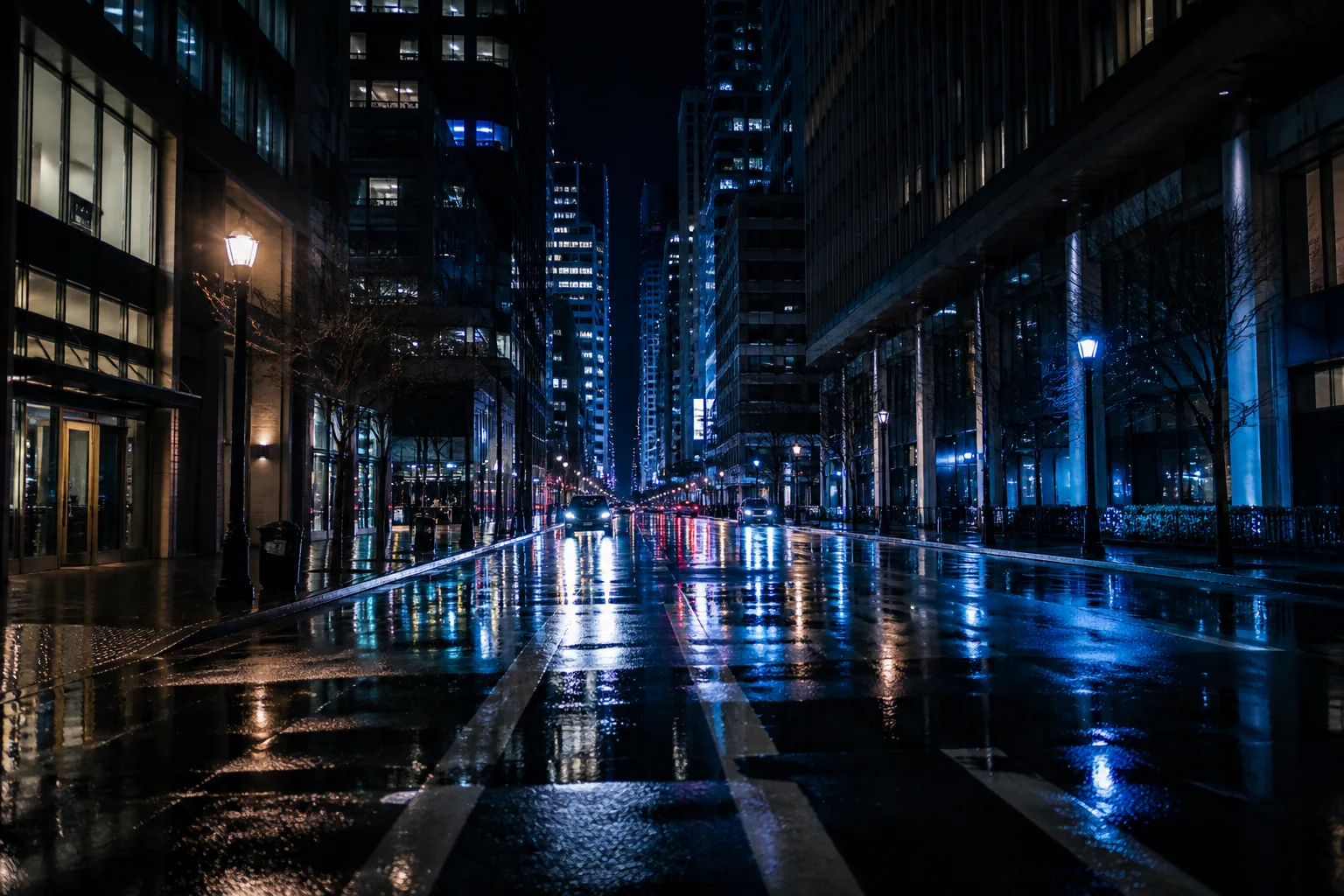
Same frame and seed. The right side is the 4K render with default upscale and denoise models — no prompt changes.
The output is a self-contained file, not a plugin or a live link. You choose resolution, frame rate, and codec at render time. For a typical Seedance clip, the numbers below estimate the cost; then run a free test render before committing the whole sequence to a long export.
Keep the platform default settings; the enhancement pass handles resolution and compression. Note the seed for the edit log.
Add an upscale model for the whole clip and a denoise model where shadows are noisy.
Match the master timeline — typically 4K at 24 or 30 fps, or 60 fps for slow-motion cuts.
Export a new file and replace the Seedance clip without touching the cut.
No. The enhancement models are frame-aware; they sharpen and upscale in place, so motion stays exactly as generated. If a take has ghosting, the motion-deblur model runs only on that clip.
The desktop workflow accepts mp4, webm, and mov from Seedance; the web pipeline takes the platform export directly. You do not need to re-encode before uploading.
Not for the enhancement pass. The seed matters only if you re-generate a shot; keep it in the project log so a reshoot matches the same look.
It delivers true 4K output, and the result reads as near-4K in practice because detail is reconstructed rather than invented. Text and faces hold up better than a simple resize, but the source still sets the ceiling.
The calculator above is a good guide: roughly 12 minutes for a 4K render on a mid-range GPU, and less if you stay at 1080p. The full sequence can be batch-rendered overnight.
The idea is the same applied per frame — upscale, denoise, sharpen, deliver. The video version adds frame interpolation and motion-aware models so the clip stays smooth.